Many renewable energy projects begin with a short request such as "I need a battery backup" or "Which MPPT do I need?" The better answer depends on loads, battery chemistry, autonomy, local grid rules, generator input, cable runs, monitoring expectations and installation skill level. Our service approach keeps the conversation friendly while still asking for the technical details that protect the project.
We help translate appliances, pumps, chargers, refrigeration, internet equipment, workshop tools and comfort loads into a realistic peak and daily energy estimate. The goal is not to oversell capacity. It is to reveal the difference between essential backup, convenience backup and full autonomy so the battery bank, inverter charger and PV input can be selected with fewer surprises.
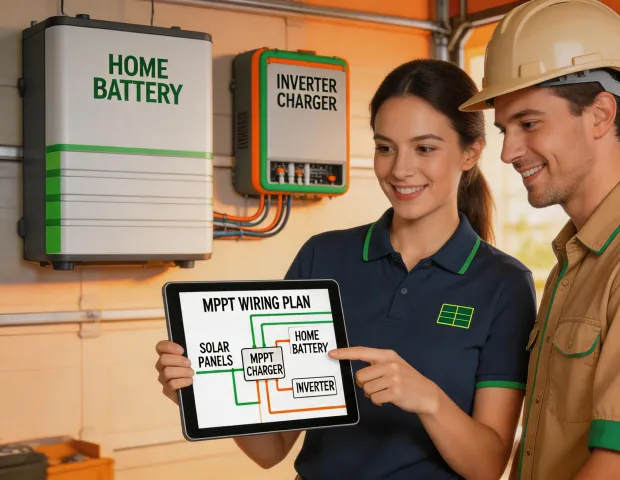
For installers, we organize the requested product families into a cleaner commissioning path. That includes battery profile notes, MPPT voltage checks, protection expectations, monitoring gateway placement, generator or shore input assumptions and a short list of missing details. This makes the first site visit more useful and reduces late product substitutions.
Remote insight is most valuable when planned early. We discuss whether the project needs Bluetooth-only visibility, gateway-based alarms, remote firmware review, fleet access for installers or simple homeowner status screens. These choices affect accessory selection, network placement and how future service calls are handled.
Procurement teams receive a concise explanation of why each category is included. When a buyer needs inverter chargers, battery monitors, SmartSolar MPPT controllers, isolators and cables together, the quote should make the dependency clear instead of burying it in part numbers.
A friendly review is still technical. We ask enough questions to avoid a weak design, but we keep the language understandable for homeowners, marine operators, RV builders and procurement teams who may not live in electrical specifications every day.
Buy a large inverter first, add batteries later, guess the solar charge controller, skip the monitoring plan and discover during commissioning that surge load, charging profile or PV voltage does not match the original assumption.
Start with the use case, define essential loads, check chemistry and voltage, match MPPT input, document transfer needs and include monitoring from the beginning. The final bill of materials is easier for both buyer and installer to defend.
Use the form for a new build, a retrofit, a remote cabin, a marine refit, an RV power upgrade, a small commercial backup system or a product replacement question. Include photos or drawings later if the first review shows that wiring, ventilation, battery placement or AC transfer needs deeper discussion.