Lease / PPA
$0 down, fixed monthly payment or per-kWh rate, system owned and maintained by a third party. Lowest cash flow stress and removes maintenance worry. Trade-off: the customer does not claim the 30% federal ITC or any SREC value.
Application guidance changes by region, service access and daily use. A suburban backup system, a coastal boat, a desert cabin and a small commercial building may all use batteries, inverter chargers, MPPT controllers and monitoring, but each one has different environmental, regulatory and maintenance assumptions.
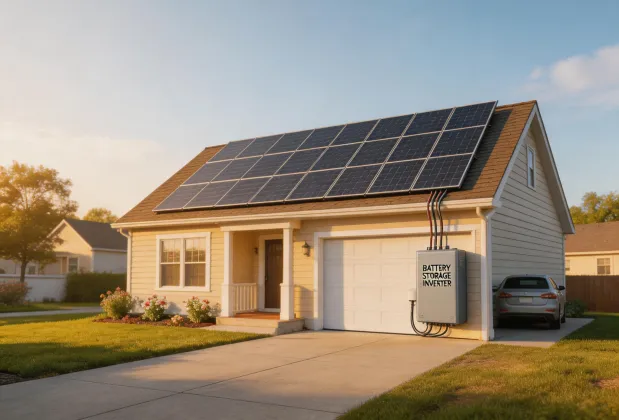
Residential buyers usually care about comfort, essential load protection, outage behavior and whether the system can grow later. We help frame the battery capacity around actual backup priorities rather than a vague desire for independence. The review considers refrigerator cycling, internet equipment, lighting, well pumps, heat pumps, EV charging expectations and whether the home needs a critical-loads panel.
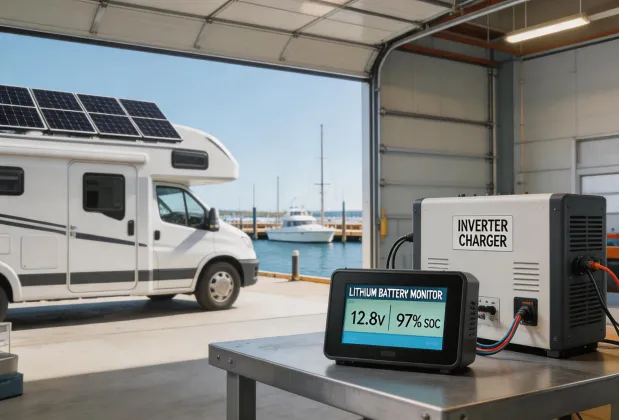
Mobile applications need extra attention to vibration, charging sources, shore input, alternator behavior, ventilation and compact wiring spaces. The correct product path may include inverter chargers, battery monitors, DC protection, solar charge controllers and remote displays. We keep the discussion practical because a system that is easy to understand is easier to operate far from a service desk.
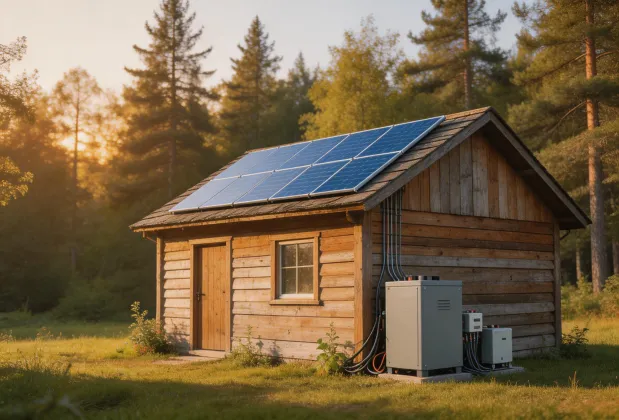
Remote and small commercial applications need a balance between autonomy, service access, generator runtime, battery cycle life and monitoring. We look closely at seasonal PV production, cable routing, enclosure conditions and alarm visibility. The aim is to select equipment that a local installer can commission and a site operator can understand months later.
The following ranges are planning prompts, not guarantees. They help buyers describe the application before a qualified installer confirms the final design.
For homes, include the critical loads and utility region. For mobile or marine projects, include shore power and alternator details. For remote sites, include expected service visits, weather exposure and the cost of generator runtime. Those details help turn an application into a practical equipment path.
Residential solar can be financed through a lease, a PPA, a loan, or cash purchase. Each path changes who owns the system, who claims the federal ITC, and how cash flow looks year by year. We publish both sides so prospective customers can decide on the structure that matches their financial picture.
$0 down, fixed monthly payment or per-kWh rate, system owned and maintained by a third party. Lowest cash flow stress and removes maintenance worry. Trade-off: the customer does not claim the 30% federal ITC or any SREC value.
Customer claims the 30% federal ITC for eligible installations (subject to IRS guidelines), captures any state SRECs, and owns the full long-term production value. Long-term IRR is typically higher than lease, but cash or financing capacity is required up front.
Typical payback in residential solar is 6-10 years depending on regional incentives. Victron Energy can share regional ITC eligibility notes, financing examples, and ROI worksheets so the comparison is grounded in the customer's actual electricity rate.